

Complete Guide to Shilajit: Benefits, Formation, Uses & Precautions
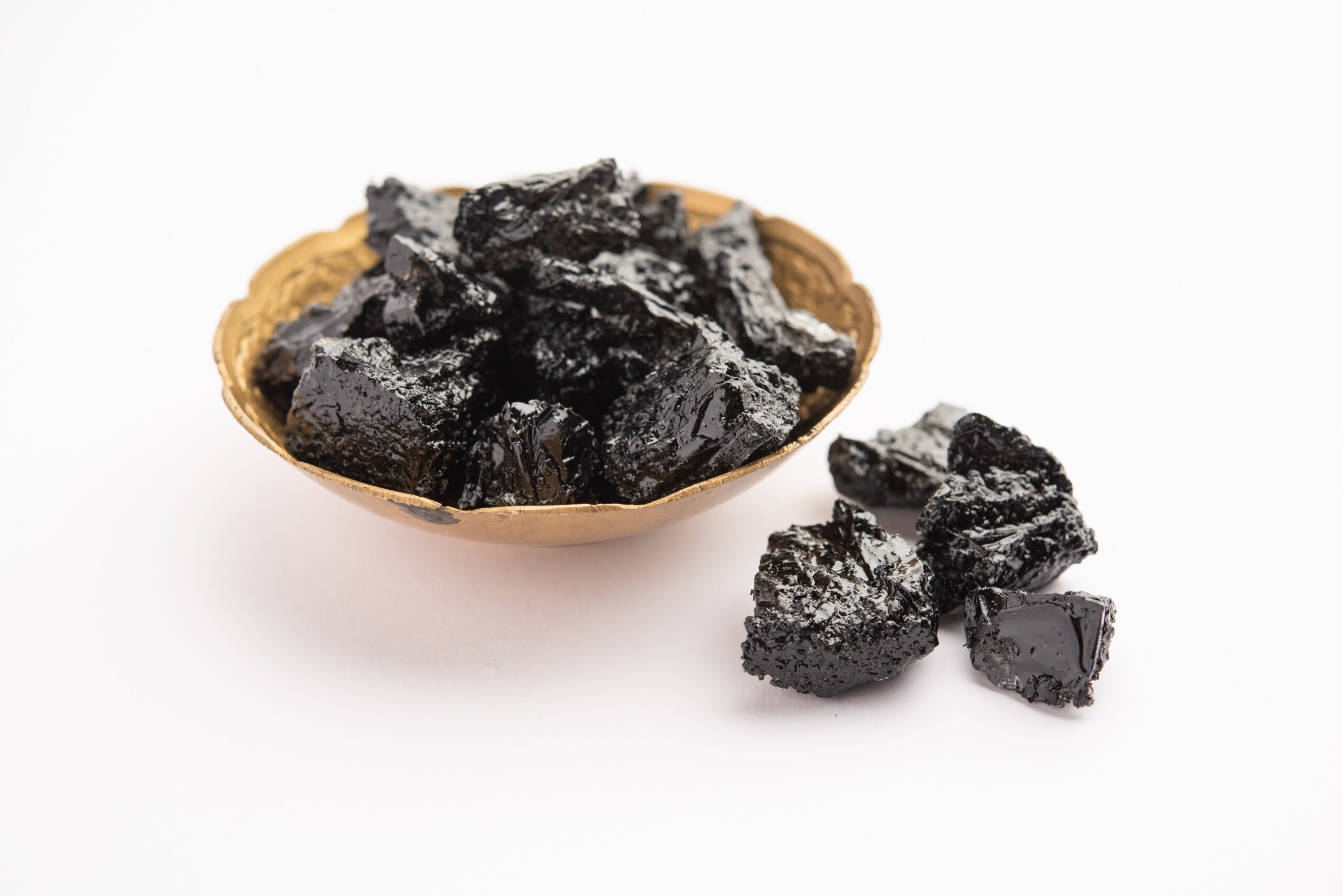
Shilajit is a sticky, resin-like substance found in the cracks of high mountain rocks. Most people know it only as a remedy for improving sexual strength, but in reality, Shilajit is a powerful Ayurvedic medicine used for several serious health conditions. Today, many advertisements promote Shilajit with incomplete or misleading information. This blog explains everything you need to know about real Shilajit.
How Shilajit Is Formed
Shilajit is found in mountainous regions where plants like Danda Thor, Clover, Beard Grass, Moss species, Thuja, Marchantia, Hornwort, and Reisel plants grow in abundance.
When strong sunlight hits these plants, a natural resin (gum) oozes out. This resin flows over rocks and collects in mountain cracks, where it dries and hardens over time.
During this process, the plant resin absorbs minerals from the rocks. This raw, unpurified resin is known as A-shuddh Shilajit (impure Shilajit), which is often sold directly in the market.
How Raw Shilajit Is Purified
Impure Shilajit contains plant residues, soil, stone particles, and many other impurities.
To purify it:
-
It is soaked in warm Triphala decoction for 12–18 hours.
-
The portion that dissolves in the liquid is separated.
-
This liquid is then heated until the water evaporates.
-
The remaining thick paste is dried to obtain Shuddh Shilajit (pure Shilajit).
Pure Shilajit is later blended with various herbs to prepare tablets, capsules, syrups, balms, and other Ayurvedic formulations.
What Does Shilajit Contain?
Shilajit is rich in a wide range of natural compounds. These include:
-
Fulvic acid
-
Humic acid
-
Natural minerals (Calcium, Magnesium, Iron, Aluminum)
-
Plant-based sterols
-
Proteins & vitamins
-
Natural resins and oils
The best quality Shilajit comes from locations with abundant medicinal plants and strong sunlight exposure.
Where Is Shilajit Found?
The highest quality Shilajit is found in:
-
Russia – Highest production
-
Pakistan-occupied Kashmir
-
Tibet
-
Ladakh & Indian Kashmir – Small quantity
Today, most Shilajit available in India is imported from Pakistan through China.
Health Benefits of Shilajit
In Ayurveda, Shilajit is used alone or mixed with other herbs to support various health conditions. Some of its major uses include:
-
Kidney stones
-
Swelling and inflammation
-
Diabetes
-
Stomach and intestinal ulcers
-
Low sperm count and male fertility issues
-
Weak immunity
-
General weakness and fatigue
-
Sexual wellness and stamina improvement
-
As a natural nutritional supplement
Recommended Dosage
The dosage of Shilajit depends on:
-
Age
-
Health condition
-
Body constitution (Taseer)
Only a registered Ayurvedic physician can decide the correct dose.
In general, the dosage may range from 250 mg to 1500 mg per day.
Possible Side Effects of Shilajit
Like every medicine, Shilajit may cause side effects in some people—especially if the quality is poor or the person is allergic.
Possible side effects:
-
Stomach burning
-
Irregular heartbeat
-
Heaviness in the stomach
-
Indigestion
-
Loose motions
-
Chest discomfort
-
Dizziness
-
Swelling on the face or eyes
If any of these symptoms occur, stop using Shilajit and consult a doctor immediately.
Foods to Avoid While Taking Shilajit
During Shilajit consumption, avoid:
-
Kulthi dal (horse gram)
-
Alcohol
-
Excessive tea or coffee
-
Pickles and vinegar-based foods
How Long Does It Take to Show Results?
For healthy individuals, Shilajit should be taken for at least six months under medical guidance.
For patients, the duration depends on the condition and the doctor’s advice.
Where Should You Buy Shilajit From?
Shilajit is a powerful Ayurvedic medicine—not just a regular supplement.
For safe and effective results:
-
Buy only high-quality, purified Shilajit
-
Always consult a qualified Ayurvedic practitioner
-
Follow the prescribed dosage strictly
This ensures maximum benefits with minimal side effects.